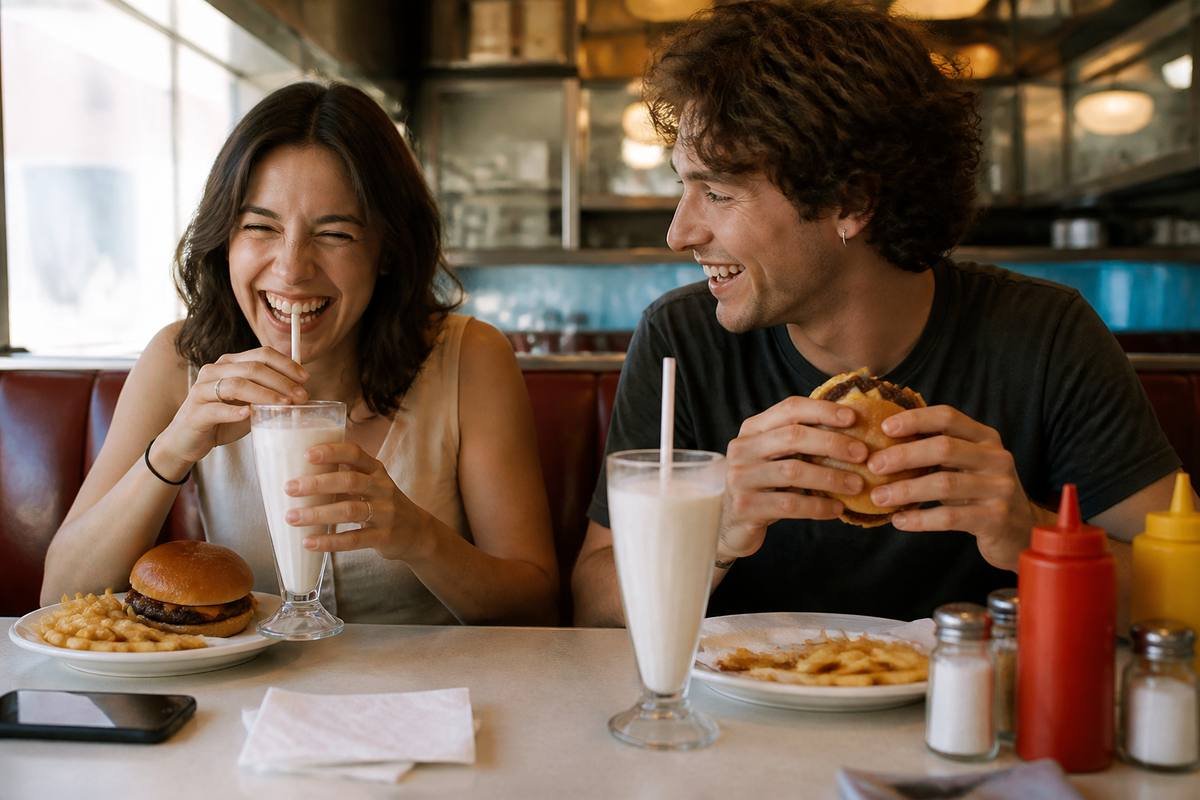
Enormous care goes into the modern burger. The beef is blended, the patty is smashed, the cheese is chosen for its melt, the bun is toasted in beef fat, and then, at the moment of truth, the whole engineered masterpiece is washed down with whatever happened to be in the refrigerator. The drink is the forgotten half of the burger meal, and it should not be, because a burger is one of the most pairing-responsive foods in American cooking: rich, salty, fatty, charred, and sauced, it begs for a beverage that can either cut through all that richness or lean into it. Sommeliers pair wine with burgers at white-tablecloth restaurants; brewers design entire beer styles around charred beef; and the milkshake, the burger’s oldest companion, endures because it obeys a pairing logic all its own. This article covers the full bar: which beers actually work and which famous styles fail, the honest case for wine with a cheeseburger, why cola conquered the combo meal, the science of the shake alongside salt, and the right pour for every burger style on the menu.
The Two Laws of Burger Pairing
Every recommendation in this article descends from two simple principles, and knowing them lets you improvise beyond any list.
The first law is cut or match. A burger is fat and salt in bulk, and a drink can respond in one of two ways. Cutting drinks bring acidity, carbonation, bitterness, or tannin, forces that scrub the palate between bites so the fifth mouthful tastes as vivid as the first; think pilsner, cola, iced tea, or a tannic red wine. Matching drinks bring their own richness and sweetness to harmonize with the burger’s, riding alongside rather than resetting; think milkshakes, malty ambers, and creamy stouts. Neither approach is superior, but every great pairing commits to one of them, and the failures on the list below are almost all drinks that do neither.
The second law is match the weight. A delicate drink disappears next to a bacon double cheeseburger, and a heavy drink buries a modest turkey burger. The bigger and richer the build, the more assertive the pour must be, which is why the pairing table later in this article is organized by burger, not by beverage.
Beer: The Default Done Right
Beer and burgers is the assumed marriage of American food, but the assumption hides real differences between styles, including a few celebrated beers that serve burgers poorly.
The single most reliable burger beer in the world is the crisp lager, the pilsners and their cousins. Everything about the style is engineered, by history if not intention, for fatty food: high carbonation that scours richness off the tongue, gentle bitterness that resets the palate, enough malt to stand beside beef, and a low enough intensity to let the burger remain the star. The beer that fast food culture put next to the burger by accident turns out to be the one a brewer would design for it on purpose. A classic pale ale performs nearly as well, adding citrus hop character that flatters char.
The great overrated pairing is the double IPA. Modern heavily hopped beers are wonderful things, but their intense bitterness amplifies char into acrid, fights with salty cheese, and, at eight percent alcohol, turns a burger lunch into an afternoon casualty. A moderate IPA works with an aggressive, bacon-heavy build, where its bitterness has an equal opponent; past that, hops win and the burger loses. The other misfit is the delicate sour or fruited ale, which the burger simply steamrolls.
Between those poles lie the specialists. Amber ales and Oktoberfest lagers, with their toasty caramel malt, are matching beers par excellence for grilled backyard burgers, echoing the browned crust. Porters and dry stouts, roasty and creamy, pair astonishingly well with mushroom-swiss and blue cheese builds, the roast in the glass shaking hands with the earth on the plate. Wheat beers suit turkey and chicken burgers, and a Mexican-style lager with lime is nearly mandatory beside a jalapeño or green chile burger, the pairing the American Southwest worked out long ago.
Wine: The Pairing Snobbery Built and Burgers Broke
For decades, wine with a burger read as a joke about pretension, and then somewhere between the gourmet burger boom and the natural wine bars putting smash burgers on their menus, it became one of the food world’s favorite honest pleasures. The logic was always sound: a burger is char-grilled beef with cheese, which is to say, it is a steak au fromage in sandwich form, and beef with red wine is the oldest pairing in the Western canon.
The rules translate directly. Tannin, the drying grip in red wine, exists to bind with fat and protein, which is why big tannic reds, cabernet sauvignon, malbec, syrah, are the classic steak wines and are equally superb with a thick, medium-rare pub burger; every sip wrings the richness from the palate and asks for another bite. Zinfandel, jammy and peppery, is the sommelier’s burger darling, with enough fruit sweetness to handle ketchup and barbecue sauce, the condiments that terrify more austere wines. For thinner, griddled, American-cheese builds, lighter and juicier reds, pinot noir, gamay, or a chilled grenache, match the weight better. Sparkling wine is the secret weapon of the whole category: its acid and bubbles cut like beer while its glamour turns a cheeseburger dinner into an event, and the champagne-and-cheeseburger pairing has become a beloved bit of high-low theater at restaurants across the country. The one honest warning: heavily oaked, buttery whites clash with char and salt, and most delicate whites simply drown. Wine with burgers works when the wine is either muscular or refreshing; the middle gets trampled.
The Soda Fountain: Cola, Root Beer, and the Combo Meal’s Logic
Dismissing soda as the childish option misses what a century of American lunch counters figured out empirically. Cola is a genuinely excellent burger pairing by the first law: it is acidic, arrestingly carbonated, cold, and sweet, cutting fat and salt with every pull while its caramel notes echo the browned beef. The combo meal was not an accident of marketing alone; it codified a pairing that works. Root beer brings vanilla and sassafras spice that flatter char even more directly, and a root beer with a bacon cheeseburger is one of the great unheralded American pairings, doubly so as a float. The soda fountain’s third pillar, fresh lemonade, is pure cutting power, and its tartness beside a salty griddled patty explains its permanence at burger stands from the 1930s to the present.
The non-carbonated champion is iced tea, particularly the unsweetened kind, whose gentle tannins do in miniature what cabernet does at scale, binding fat and refreshing the palate at essentially zero calories, the reason it remains the default at burger tables across the American South. Sparkling water performs the same duty for the soda-averse and has quietly become the modern burger joint’s fastest-growing pour.
The Milkshake: Excess as Philosophy
And then there is the shake, the pairing that violates every cutting principle and triumphs anyway. A milkshake next to a burger is matching pushed to its logical conclusion: fat with fat, sweet against salt, cold against hot, and it works because of contrast operating inside the harmony. The alternation is the point, a bite of hot, salty, crusty beef, then a pull of freezing sweet cream, each making the other more vivid, the same salty-sweet oscillation that makes salted caramel and county-fair bacon desserts work. The classic pairings sort by intensity: vanilla, the most versatile, beside any cheeseburger; chocolate against bacon and barbecue builds; strawberry with simpler, brighter burgers; and the chocolate malt, deepened with toasty malted milk powder, standing up to the biggest double on the menu. The shake is not a drink beside the meal so much as a second course conducted in parallel, and no honest pairing guide ranks it below the wine.
The Pairing Table
| Burger | Best Beer | Best Wine | Best Non-Alcoholic |
|---|---|---|---|
| Classic cheeseburger | Crisp pilsner | Zinfandel | Cola |
| Double smash burger | Pale ale | Gamay or chilled grenache | Vanilla shake |
| Bacon cheeseburger | Moderate IPA | Syrah | Root beer or chocolate malt |
| Thick pub burger, medium-rare | Amber ale | Cabernet or malbec | Unsweetened iced tea |
| Mushroom swiss | Porter or stout | Pinot noir | Sparkling water with lemon |
| Green chile or jalapeño burger | Mexican lager with lime | Off-dry riesling | Lemonade |
| Blue cheese burger | Dry stout | Big zinfandel | Cola |
| Turkey or chicken burger | Wheat beer | Dry rosé | Iced tea |
| Plant-based burger | Pilsner | Grenache | Cola or shake |
| Breakfast-style burger with egg | Coffee stout | Sparkling wine | Coffee, honestly |
Two entries deserve a defense. Off-dry riesling beside chile heat is the classic spicy-food play, its touch of sweetness calming capsaicin as no dry drink can. And sparkling wine with an egg-topped burger is brunch logic applied honestly; if a mimosa belongs next to eggs benedict, champagne belongs next to the burger wearing a fried egg.
Building the Home Bar for Burger Night
The practical version of all this fits on one shelf. For a household’s burger nights, six standing options cover every build this site has ever described: a case of crisp lager, a bottle of zinfandel or malbec, cola in glass bottles for the occasion of it, unsweetened iced tea by the pitcher, good vanilla ice cream and whole milk for shakes, and a bottle of sparkling water for the palate-cleansing contingent. Serve everything colder than feels necessary, because a burger runs hot and salty and its companion earns its keep by contrast; freeze the shake glasses, ice the lager an extra half hour, and chill even the red wine fifteen minutes past habit, the sommelier’s own trick for burger service.
The deeper takeaway is the one this entire series keeps circling: the burger rewards attention wherever attention is paid. The same care that upgraded the bun and calibrated the smash applies to the glass beside the plate, and it costs nearly nothing, a moment’s thought between the refrigerator and the table. Fifty billion times a year, America sits down to its favorite sandwich, and almost every one of those meals includes something to drink. Choose it on purpose, cut or match, weight for weight, and the last bite of the burger you worked so hard on will land the way it deserves to: perfectly accompanied.
Leave a Reply